
Investing can feel confusing when you are just starting. There are many options, but not all investments give the same return. Some investments are considered high-yield, meaning they can earn more money than a regular savings account or low-risk options (The Best High-Yield Investments for Beginners in 2026)
This guide explains the best high-yield investments for beginners in 2026, using simple language so you can start growing your money with confidence.
1. Dividend Stocks – Earn Money While You Hold

Dividend stocks are shares of companies that pay part of their profits to shareholders regularly.
Why it’s good for beginners:
- Provides regular income, even if stock prices fluctuate.
- Reinvesting dividends helps your money grow faster over time.
- Focus on stable companies in sectors like utilities, consumer goods, or technology.
Lesson: Even small investments can grow if you reinvest dividends. Patience is important.
Internal link suggestion: “Beginner’s Guide to Dividend Stocks”
2. High-Yield ETFs – Diversification Made Simple
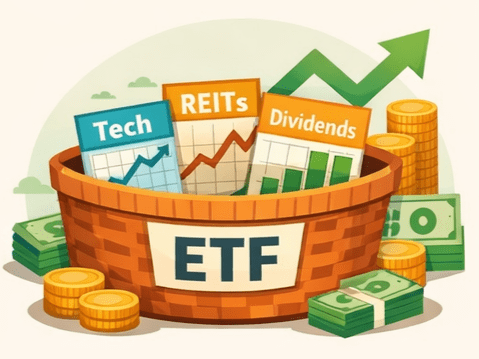
ETFs (Exchange-Traded Funds) are collections of stocks or bonds in one investment. Some ETFs focus on high-yield sectors.
Why it’s good for beginners:
- Diversifies your money across many companies, reducing risk.
- Some ETFs focus on dividends or real estate (REITs) for higher returns.
- Easy to buy even with a small amount of money.
Lesson: Diversification reduces risk. You don’t need to pick individual stocks to start investing.
Internal link suggestion: “Top ETFs for Beginner Investors in 2026”
3. Peer-to-Peer (P2P) Lending – Lending Money Online
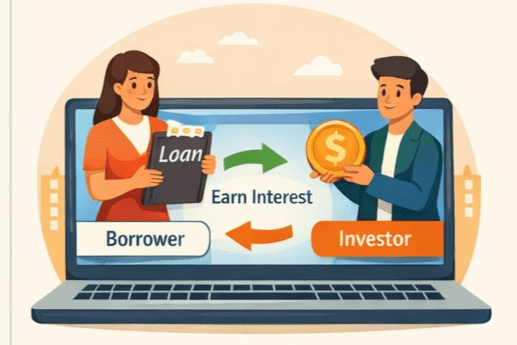
P2P lending lets you lend money to individuals or small businesses online and earn interest.
Why it’s good for beginners:
- Can provide higher returns (6–12% per year).
- Allows small starting investments.
- Teaches risk management by spreading money across multiple loans.
Lesson: Higher potential returns come with higher risk. Research the platform carefully and diversify your loans.
Internal link suggestion: “How to Start P2P Lending Safely”
4. Real Estate Crowdfunding – Property Investment Without Buying a House
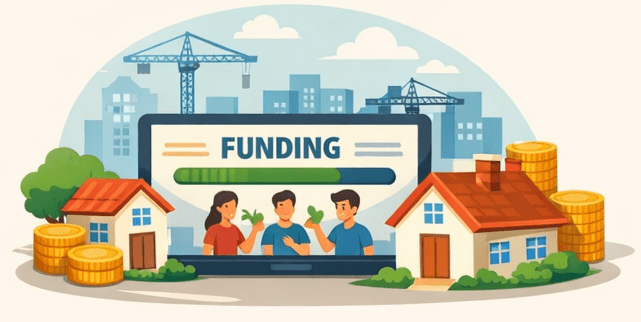
Real estate crowdfunding lets you invest small amounts in larger property projects.
Why it’s good for beginners:
- Earn rental income and benefit from property value growth.
- Minimum investment can be as low as $500.
- Gives beginners access to real estate without buying a whole property.
Lesson: Even with small money, you can participate in real estate and earn passive income.
Internal link suggestion: “Real Estate Crowdfunding for Beginners”
5. High-Yield Savings Accounts & Bonds – Safety First
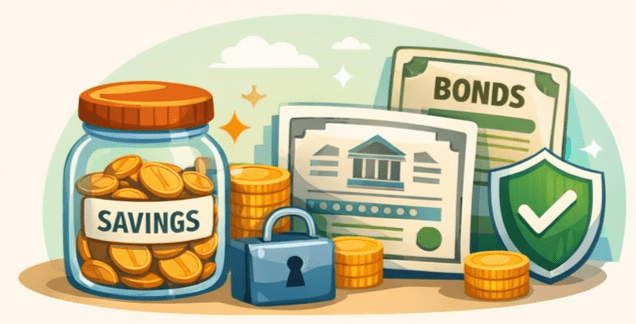
Safe options like high-yield savings accounts and government bonds are still important.
Why it’s good for beginners:
- Very low risk and predictable returns.
- Acts as an emergency fund or safety net.
- Provides stability while other investments grow.
Lesson: Keep a portion of your money in safe options to reduce stress and protect capital.
Internal link suggestion: “Best High-Yield Savings Accounts and Bonds 2026”
Tips for Beginner Investors
- Start with small amounts but invest consistently.
- Reinvest earnings like dividends or interest to grow faster.
- Diversify your investments across different options.
- Learn about each investment before putting money in.
- Check your investments regularly, but avoid overreacting to daily changes.
Conclusion
High-yield investments can grow your money faster than traditional savings, but they come with different levels of risk. For beginners, a mix of dividend stocks, ETFs, P2P lending, real estate crowdfunding, and safe savings or bonds creates a balanced portfolio.
Key lesson: Start small, stay consistent, and be patient. The earlier you begin, the more your money can grow over time.