
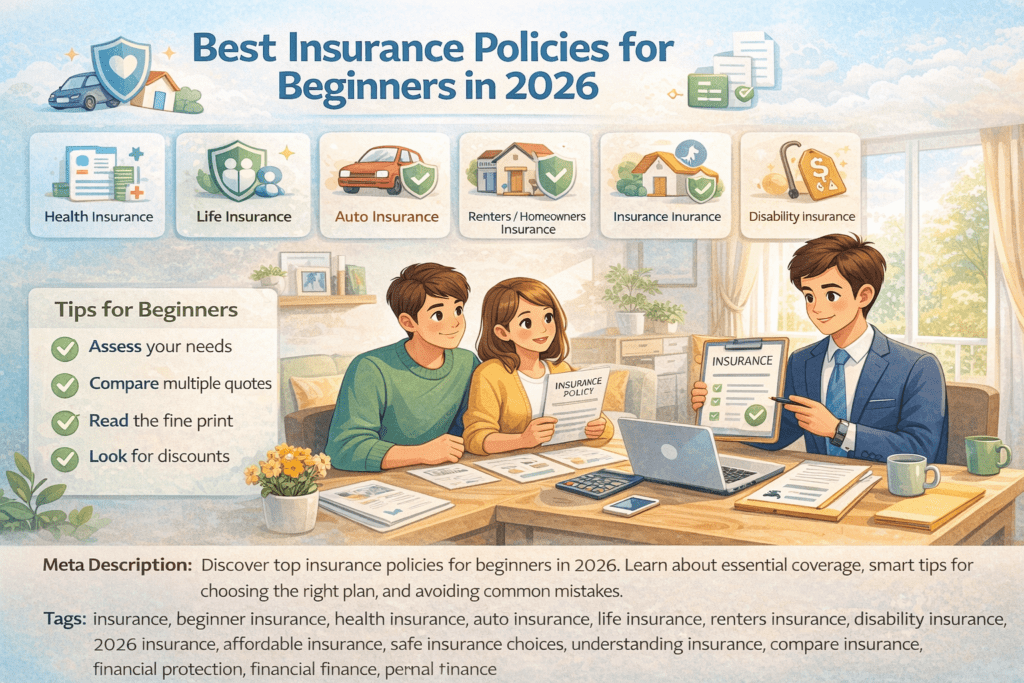
Buying car insurance for the first time can be overwhelming. With multiple coverage options, insurance providers, and hidden terms, beginners often feel confused about where to start. However, understanding the basics can help you choose the best car insurance policy for your needs while saving money.
Why Car Insurance is Essential
Car insurance protects you financially in case of accidents, theft, or damage. It ensures that unexpected costs don’t derail your budget. Beginners should focus on:
- Liability coverage – mandatory in most states to cover damage to others.
- Comprehensive coverage – protects against theft, fire, and natural disasters.
- Collision coverage – pays for damage to your car in an accident.
💡 Tip: Check your state’s minimum insurance requirements before buying a policy.
How to Choose the Right Policy
Selecting the best insurance policy involves:
- Compare Quotes: Get quotes from multiple providers to find competitive rates.
- Check Deductibles: Higher deductibles lower monthly premiums but increase out-of-pocket costs during a claim.
- Understand Coverage Limits: Make sure the coverage amount is enough to cover potential damages.
- Look for Discounts: Some insurers offer safe driver, multi-car, or bundling discounts.
Common Mistakes Beginners Make
- Choosing only the cheapest policy without checking coverage.
- Not reviewing the fine print for exclusions.
- Failing to update the policy when circumstances change (new car, address, or additional drivers).
- Ignoring the importance of customer service and claims support.
Tips to Save Money on Car Insurance
- Maintain a good driving record to qualify for lower rates.
- Bundle car insurance with home or renter’s insurance for multi-policy discounts.
- Ask for discounts based on vehicle safety features or low annual mileage.
- Review and adjust coverage annually to match your current needs.
Alternatives and Additional Coverage
- Usage-based insurance: Premiums based on how much and how safely you drive.
- Gap insurance: Covers the difference between the car’s value and loan balance if totaled.
- Rental reimbursement: Pays for a rental car while your vehicle is being repaired.
Conclusion
Choosing the best car insurance for beginners requires research, comparing quotes, understanding coverage, and reviewing policy details carefully. With the right knowledge, beginners can find a policy that balances cost and protection effectively.
For detailed guides, insurance calculators, and practical tips to manage your car insurance, visit Investney.com to start protecting your vehicle wisely.